


On the same side of Only Street as her grandmother’s house, on the other side of the basket factory closer to the highway and kitty-corner from the cemetery, stood Little Hope’s own house. Like some of the other houses in Greenfield, the Lindberger house was an old farm house separated long ago from the acreage that once extended from behind it. Little Hope’s grandmother would every so often describe its style disparagingly as “weathered Tyvek,” a pointed reference to its unfinished state of renovation. “It’s suspended, not unfinished,” was her parents’ usual reply.
Upon closer inspection of the exterior of the house, someone with an eye for detail would notice that the windows and doors were either filled and freshly repainted or new. Those details were the key to unlocking the mystery of the interior. Beneath the household clutter inside lay a modern kitchen and bathrooms and a mix of handed-down and new Ethan Allen furniture from the store on the square in the nearby town of Waterford, thoughtfully arranged in a maze of rooms painted in soothing colors and set on refinished hardwood floors.
Unlike with most house renovations, Little Hope’s father, with help from Uncle Mack, had been working, sometimes during the evenings but mostly on the weekends, from the inside out. Her father would always insist that the happiness and comfort of his family came first and that, despite the house’s unfinished appearance from Only Street, finishing the interior mattered more. “It’s what’s on the inside that counts, Hope,” he’d say with a smirk to his wife when she’d ask for a timeline. Little Hope’s mother would just roll her eyes.
After months of work on the house, Little Hope’s father and Uncle Mack pulled back, not for lack of interest or money to finish the renovation but because they were spending more of the weekends riding their bicycles. The bike riding had started from an impulse to get some exercise, relieve stress, and to get back in touch with nature. Over time, it evolved into a named household ritual. The “Mack and Cheese” rides, as Uncle Mack liked to call them, became a regular topic of conversation.
The longer the ride, the better the post-ride stories, and the more Little Hope wanted to hear. But before the storytelling would begin, Little Hope would have to live up to her part of the bargain, grab two beers from the refrigerator, and meet her father and Uncle Mack on the tarp-covered porch. Every so often, she would test them by trying to coax the number of deer they had seen out of them before heading to the fridge. “You know the rules, Little Hope,” her father or Uncle Mack would always say, “a beer for a deer.” And every time, she would giggle and run towards the kitchen for the goods.
Little Hope loved hearing about the deer they saw on their rides, what the deer were doing when they saw them, whether they were eating berries or standing in a stream, and if there were any fawns among them. She also liked hearing about other things they had experienced or seen. Depending on the time of year, her father or Uncle Mack would report on the height of the corn on the other side of the Klinghoffer farm, the sizes of the grape clusters at Watson’s vineyard, or the kinds of wildflowers in bloom along the roadside. If they had passed through “Thrill Valley,” as they liked to call it, they’d brag about the maximum speed they had achieved on the descent but always return to how beautiful it was to pass through the dark and winding tunnel of trees onto the sun-filled, open valley floor.
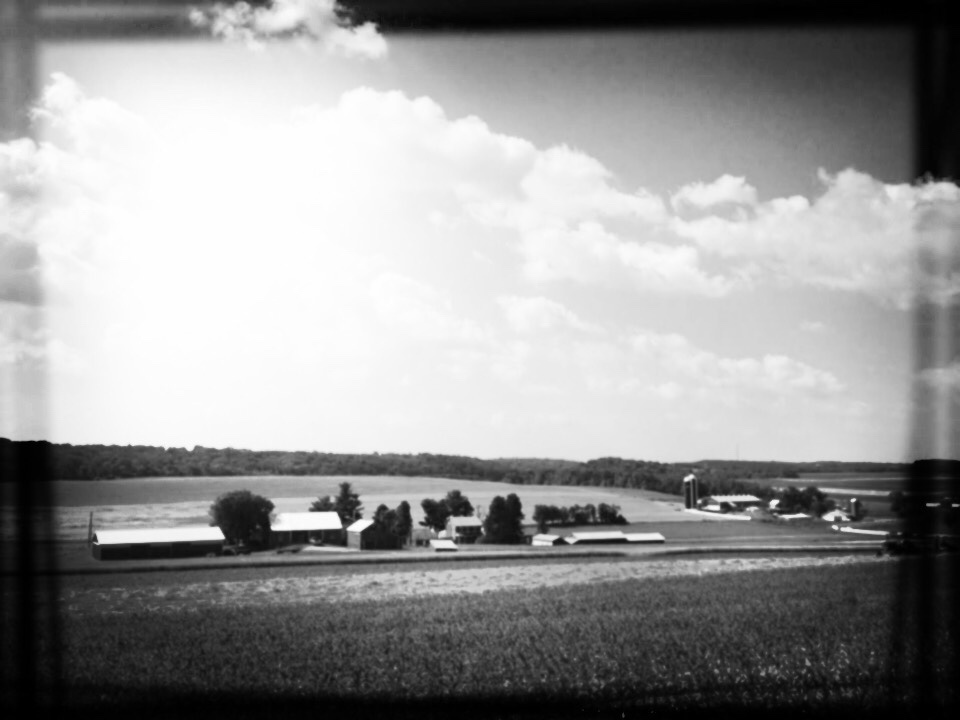

Some of the roads and farms they’d talk about Little Hope knew from direct experience. During their family rides, she, Johnny, and her mother and father would cover some of the same terrain, though they would never venture as far or pedal as fast as her father and Uncle Mack. She wondered if, during the Mack and Cheese rides, her father would talk to the animals like they all did when they rode their bikes together as a family.
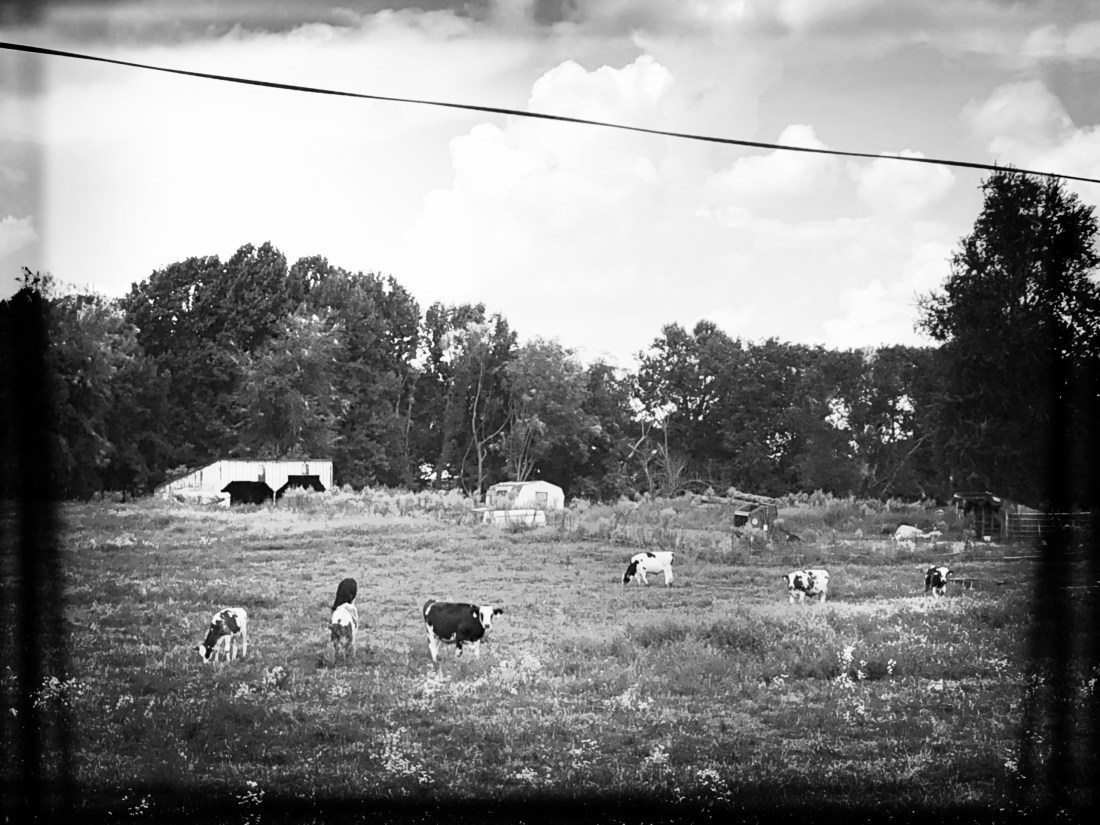
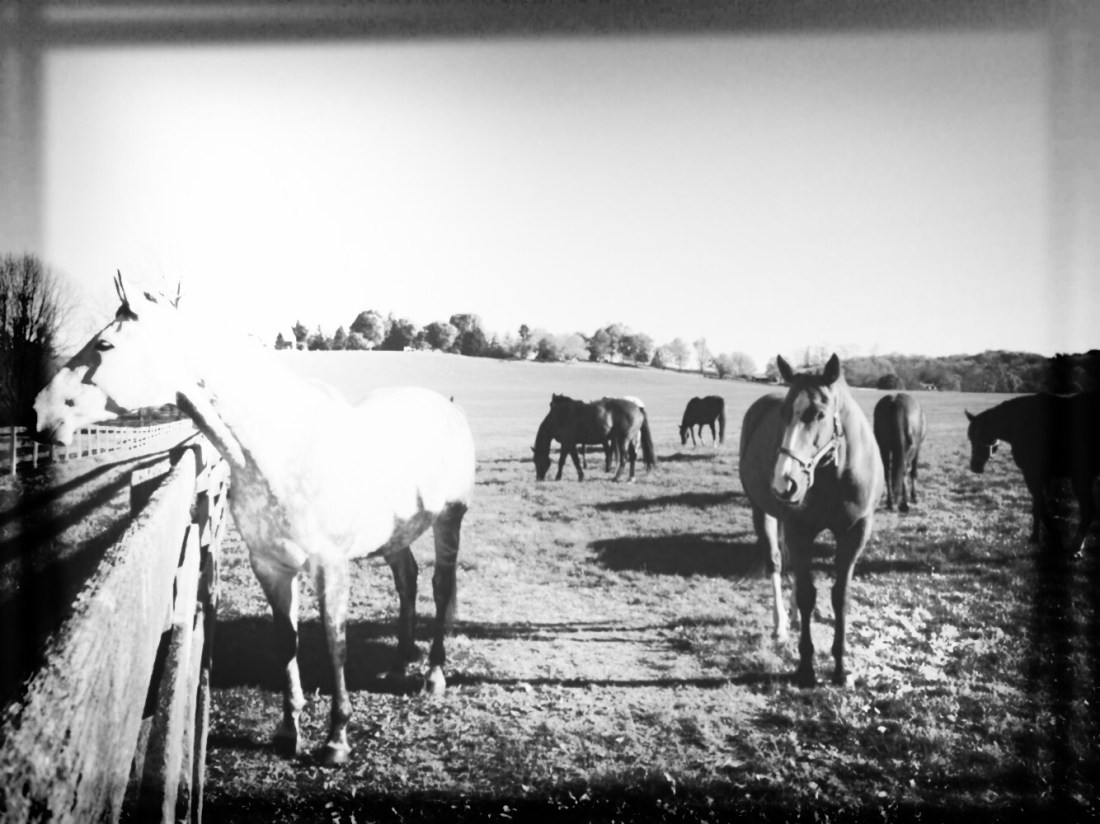
When they’d pass a herd of cows in a field, they’d all shout, “Mooo-ve over!” When they’d see a flock of sheep, especially in the spring around Easter time, they’d blurt, “Too baa-d!” When it came to horses, of which there were many in their area, they’d whinny if they passed a team, say “Hi, horse!” if they saw only one, or exclaim, “Look at you on your high horse!” if they happened to pass a neighbor on horseback.
Regardless of whether her father and Uncle Mack spoke to animals or to each other or rode quietly in synchronicity, Little Hope knew that they both got something good out of it and, as her mother often said, everyone in the house benefited as a result, even if it meant going another weekend without exterior siding.
Of the two men, Uncle Mack benefited more from the weekly rides. Unlike Little Hope’s father, Uncle Mack preferred riding with someone rather than riding alone. Her mother would often tease that Uncle Mack basked in his best friend’s shadow. John was stronger and had been riding bicycles for years, and Uncle Mack, who had arrived late to the sport, relished his best friend’s advice and attention. He proudly wore the mantle of “domestique” to John and liked to push him in a final quick sprint on the highway before turning onto Only Street at the end of each ride.
 Mr. Funny Bones
One thought on “Little Hope, Chapter 6”