

“Go jump in a puddle!” Little Hope’s brother, Johnny, snapped over breakfast.
“Which one? Give me a number!” she replied. Johnny knew at that point that he had few comeback options. Checkmate, Little Hope thought to herself.
Except for Johnny, everyone in the house—everyone in Greenfield, for that matter—knew better than to dare Little Hope to puddle-jump. Over the short span of a few weeks, she had identified and numbered every single pothole on Only Street. Not only that, she had measured and plotted them all on a master map that she periodically updated, copied, and sent along with a prioritized maintenance list to the township’s board of supervisors.
Officially, the street in front of her house was Main Street. For as long as she could remember, Little Hope and her family called it Only Street because, as Uncle Mack had pointed out one evening, you can’t have a Main Street if you have only one street and no secondary ones. Driveways didn’t count, even named ones like her grandmother’s, who always listed her address as “corner of Main Street and Lively Drive, Greenfield.”
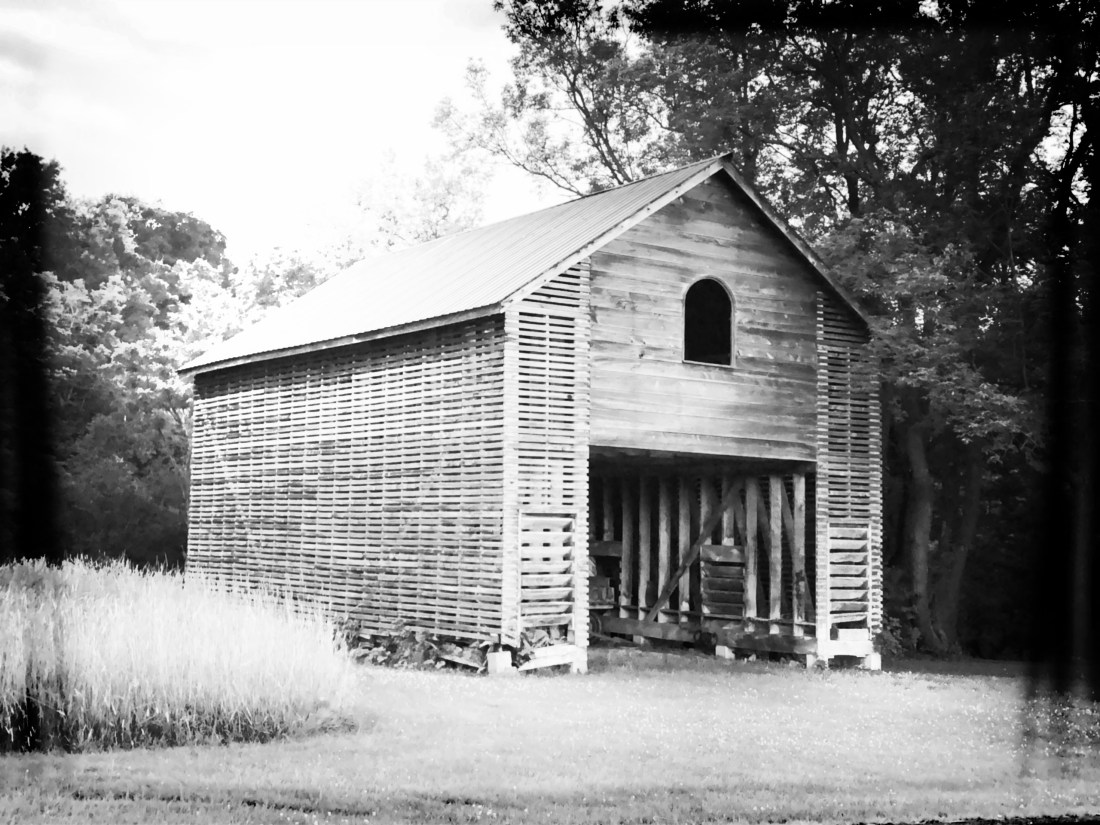
Only Street extended southward for about a quarter of a mile from state highway 206 to the Klinghoffer farm, where it ceremoniously dead-ended at the Klinghoffers’ stately air dried drive-through wooden corn crib. Except for the stop sign at the intersection with 206, the entire street was traffic sign and signal free, which was just as well since anyone driving along it had to focus their attention on the holes.
Strung along Only Street from the highway to the corn crib like the potholes was the village of Greenfield itself. Technically, Greenfield wasn’t even a village but an unincorporated community, which meant that it lacked the local recognition often necessary to get even simple things like holes filled and roads fixed.
Although tiny and officially unrecognized, Greenfield had staying power. The community had been around for more than two hundred years, and even though it didn’t have a historical society or museum to celebrate its long existence, it had its own cemetery with headstones from as far back as the early 19th century as testaments to its age.
Uncle Mack and Little Hope’s parents often joked that there were more people buried in Greenfield than living in Greenfield, and by its sheer size, the cemetery bore that out. It took up the entire hillside on the northeast corner of Only Street and the highway. It was, in essence, Greenfield’s gateway. Everyone had to pass by it both coming and going because the intersection was the only way into the village and the only way out, even for the Klinghoffers.
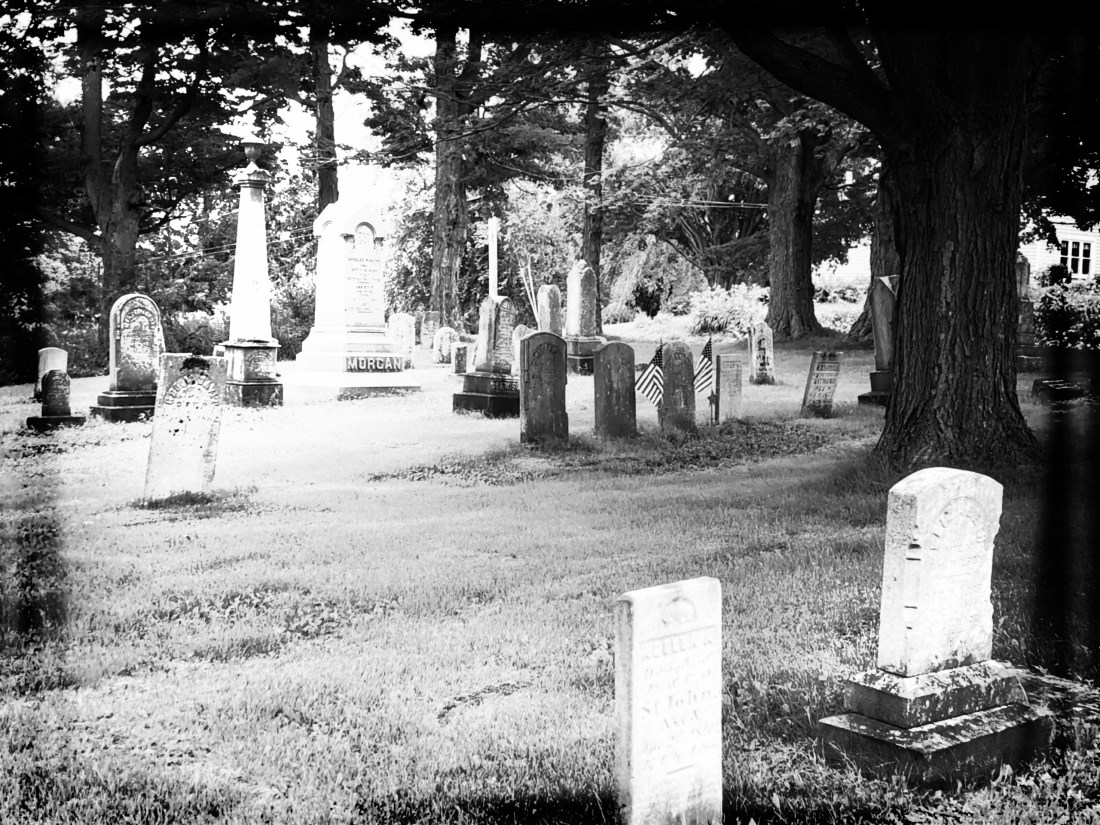
Little Hope knew the cemetery like the back of her hand because she had to walk by it twice a day, five days a week, from her house to the school bus stop and back. To prepare her for that frightening trip, Little Hope’s father took her there regularly to look at the clouds. On nice afternoons, they’d lie on the grass between gravestones and call out the different shapes they saw.
Some cloud spotting sessions with her father were more satisfying than others. On wispy cloud days, they’d spot peacock feathers, geese in flight, and an occasional writhing shark similar to the ones filmed from below for nature shows. Little Hope felt that she and her father performed their best on puffy cloud days, which produced their fair share of sheep but inspired both her and her father to new competitive cloud spotting heights.
One particularly productive afternoon, her father spied a hot fudge sundae. Little Hope countered with a vignette of two women getting their hair done. Later in the day, she sketched that one and taped it on the ceiling above her bed.
The trips to the cemetery continued long after Little Hope boarded the school bus for the first time. No longer frightened by the place, she now went there on her own. She even memorized the names of many of the people and families buried there and treated them like neighbors.
Periodically, she’d compliment the Kellers on their wildflowers or remind the Selters of the lawn maintenance responsibilities that came with having a prominently located plot. She’d clean the leaves off Mr. Lewis’s tombstone. On Sundays, she’d engage in small talk with Mrs. Smith.
The idea of taking one or more of the little skeletons with her to the cemetery had crossed her mind more than once, but she always decided against it. She had Bruiser to consider, after all. She also didn’t want to upset the many skeletons, whom she had come to know, who were still trapped underground.
 Mr. Funny Bones
One thought on “Little Hope, Chapter 4”